
17/09/2026
What is number plate cloning – and could it happen to you?

Evaldas Zabitis
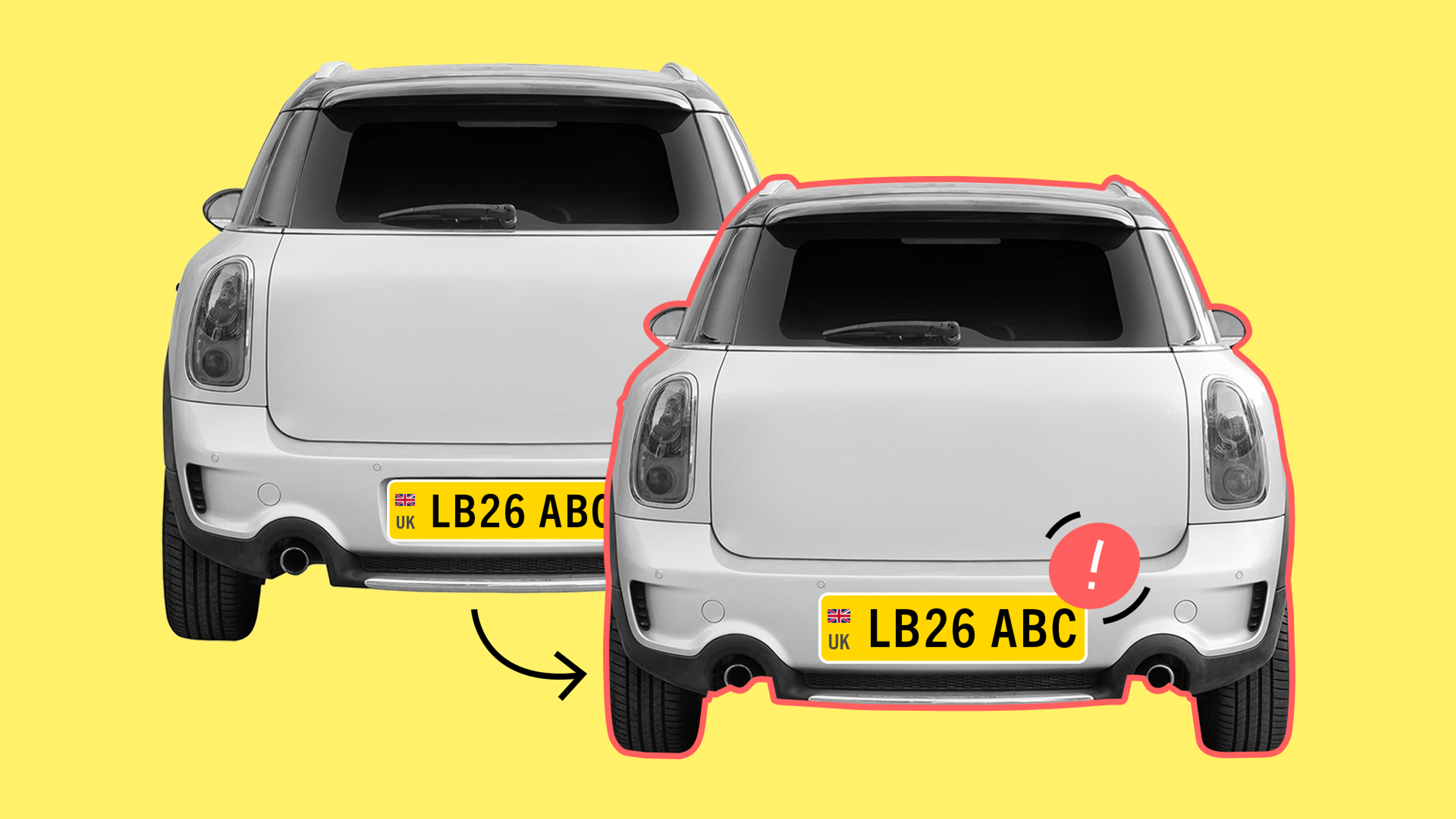
One day you may find a parking fine on your doormat for a street you’ve never heard of. You know it couldn’t have been your car at fault, so how did someone make you take the blame? Number plate cloning, often called car cloning, can create a variety of problems for car owners, and it’s one of the fastest-growing headaches in the UK used car market today, and thousands of ordinary drivers are being caught out by it every year.
Car cloning is a serious threat in the UK, so every driver should know how criminals pull off this scam and how to deal with it.
Used cars have dark secrets
Reveal them all! Just click the button below and enter the VIN or registration number to check it in under a minute.
What is car cloning?
Car cloning is when part of a legally registered vehicle's identity, typically its number plate, but also sometimes its VIN and V5C logbook, is copied onto another car. The clone is usually the same make, model and colour, matching what both cameras and traffic wardens see.
The idea behind it is to shift liability. Once your plate is on an imposter’s car, any offences they commit are fraudulently logged against you as the registered keeper of that plate. That includes speeding tickets, bus lane fines, parking charges, ULEZ and Clean Air Zone charges, tolls, box junction penalties, and unpaid vehicle tax.
Summary
So what is a cloned car in summation? It is your car's identity being worn on somebody else's vehicle. Even while yours sits parked on your driveway, theirs can be out there breaking the rules and making you pay the price.
Car cloning surge in the UK: a 53% increase in 5 years
The statistics are concerning. Data obtained by Select Car Leasing shows that suspected cloned plate cases reported to the DVLA rose from 7,430 in 2021 to 11,395 in 2025, a 53% increase in five years (FleetNews, 2025).
That number fills headlines, but it's worth understanding what it can and can’t measure. It counts reports and notifications, not confirmed crimes, and the DVLA itself notes the figures include ANPR misreads where a camera has misidentified a similar plate. The real rate of cloning is likely lower, but the trend behind the car cloning surge UK drivers are experiencing is definitely real.
Independent evidence backs it up. A BBC investigation into London boroughs found that PCN cancellations attributed to cloning jumped from 22,450 in 2021 to 36,794 in 2023, a 64% rise. National Highways cancelled more than 25,000 Dart Charge fines for stolen or cloned plates between 2020 and 2024, too.
The skew inside London is driven mainly by ULEZ and congestion charging creating incentives to hide behind somebody else's plate. Kent Police reported a 37% rise in plate thefts over four years, with officers noting criminals use them to duck congestion charges and fuel payments (GB News, 2025).
How does car cloning work?
It’s alarmingly simple. A criminal finds a car matching one they want to disguise or use, copies its registration, and uses that identity for their own vehicle. In practice, it plays out in a few ways.
The classic sequence is when they get an illegal vehicle (stolen, salvaged or otherwise off the books), and scout for a matching legal car of the same make, model and colour. They then copy its plate, forge the paperwork if needed, then either sell the cloned car or drive it while the fines land with somebody else.
Another common variation involves no theft and no sale at all. The criminal owns the car but wants to avoid ULEZ charges, speed cameras or unpaid tolls, so they fit somebody else's plate to their own vehicle. This "evasion only" pattern seems to make up a lot of cases, as the fines data shows keepers typically receive penalty notices, not stolen car sale disputes.
Interesting fact
Once a target plate is chosen, physical plates are easy to obtain. A BBC investigation found DVLA registered suppliers could produce plates in around ten minutes with no logbook check.
Other variants worth knowing about include cloning of write offs and salvage (giving a scrapped car a clean identity), import concealment, and fleet or van cloning. All share the same basic idea – putting a legitimate identity on the wrong vehicle.
How to spot a cloned vehicle
Unexpected fines are the most common way owners find out their plates have been cloned. For buyers, the challenge is different. You need to spot the fraud before you hand over any money. How to check if a car has been cloned comes down to a mix of paperwork, physical inspection, and cross-referencing what the seller shows you against what independent records say.
The good news is that most cloned cars fail at least one of these checks, so it’s important to know what to look for.
Get a carVertical history report
The first move when looking at any used car is to check the original specs against what is in front of you. A carVertical history report decodes the VIN and returns the make, model, year, engine, colour, number of doors and other details from official records, so any mismatch with the car itself is a red flag. You can run the check by VIN or by UK registration plate, so it can be used whether you are looking at a full advert or just a photo of a car you saw on the street.
Alongside identification, the report brings together what a private buyer cannot see. This includes mileage problems suggesting a rollback, damage and write off records, ownership and keeper changes, theft markers, import and export records, and MOT history. That combination is where a paid report can earn itself back easily, well above the more common used car risks.
However, there is one important aspect to remember. If a car is cloned, the report describes the recorded identity, which is the innocent donor car, so it may look completely clean. What the report is really protecting you against is mileage fraud, undisclosed write offs, outstanding finance and theft markers, which is still a lot. Pair the report with the free GOV.UK vehicle enquiry and MOT history checks, and use your own eyes on the car itself.
Pay attention to vehicle identification
Cars typically have their VIN in more than one place, and you can take advantage of that. Common locations include the base of the windscreen on the driver's side, a sticker on the door shut or B pillar, the bulkhead under the bonnet, the boot floor beneath the spare wheel, and a stamped plate in the engine bay. A UK VIN has 17 characters and never uses the letters I, O or Q, so a quick check is easy without any tools.
Inspect all of them. On a legitimate car, VIN numbers match across the vehicle, the V5C, the MOT record and the service book. On a clone, you can often find mismatched fonts or spacing, riveted plates where there should be factory fixings, scratched or overpainted characters, missing stickers, fresh sealant, or supplier markings on the plates that don’t match the seller's location or the car's history.
Important
Expect perfection in original VIN plates. Manufacturers stamp each character with precise, uniform sizing and spacing, so every digit and gap appears identical to the naked eye.
The number plates themselves have their own standard, too. Since 1 September 2021, all new UK plates must meet British Standard BS AU 145e, use the Charles Wright 2001 font in solid black, and carry the supplier's name and postcode plus the BS number. A non-compliant plate is an MOT failure and an offence carrying a fine of up to £1,000.
Always ask to see the full V5C in advance. It should be red, carry a "DVL" watermark, and its serial number must not sit inside the DVLA's published stolen ranges. If the seller resists showing the logbook, or wants to meet somewhere other than the address on it, walk away.
The car is underpriced for no reason
Criminals selling cloned cars want them gone quickly, before the paperwork can catch up. Alongside the core used car buying tips, watch out for a price well below market, paired with vague reasons ("quick sale, moving abroad, need the cash"). It’s one of the strongest warning signs alongside cash-only demands, no test drive, and meetings held anywhere other than the address on the V5C.
Under English law, an innocent buyer of a stolen car does not generally acquire good title. If the police trace your bargain purchase back to a theft, the car goes back to the true owner or their insurer. You lose the car and the money. Suing the seller is theoretically possible, but in practice, cloned car sellers are usually untraceable.
That is why the checks matter, and why walking away from a deal that feels off costs you nothing compared with the alternative. If something feels wrong, trust the instinct.
My car has been cloned: what do I do?
Suddenly getting fines from places you have never been to is often the first sign that your car has been cloned. Drivers often pay quickly to make the letters stop, or even ignore them, hoping they go away on their own. However, both approaches are wrong.
Paying can be read as accepting liability, which weakens your position on any further fines from the same clone. Ignoring a police Section 172 notice is a separate offence carrying six points and a fine of up to £1,000, whatever the truth turns out to be. It’s important that the Section 172 request be answered within 28 days, stating in writing that you were not the driver.
The correct first steps run like this:
1.Report it to the police on 101 or online and get a crime reference number. This is your anchor for every appeal that follows.
2.Notify the DVLA that your registration has been cloned so they can flag the record.
3.Tell your insurer, in writing, so the record shows the disclosure. This is not a claim and should not affect your premium on its own.
4.Challenge every notice separately, in writing, before its deadline, quoting the crime reference and enclosing evidence.
Pro tip
CCTV and dash cam footage is your strongest evidence, but it is often overwritten within days. Request domestic and commercial CCTV covering the disputed times immediately, before it disappears. Photograph your own vehicle in detail (trim, wheels, badges, roof bars, dealer stickers, plate supplier text) and compare against the enforcement camera image. Doorbell footage, telematics data, fuel receipts, work timesheets and MOT mileage records all help.
Is it possible to protect your car from cloning?
Partly, but not completely. Because your plate is displayed publicly by law, number plate cloning remains a possibility, and no owner can guarantee they will never be cloned. What you can do is reduce the odds, and be ready to act fast if it happens.
These measures will help your position:
- Never leave your V5C in the car. This document lets a criminal easily sell your car's identity to somebody else.
- Be careful what you post online. Blur your plate in for sale listings and social media photos, and never photograph the V5C. GOV.UK's guidance on personalised registrations warns against sharing scans or photos of the V750 and V778 documents.
- Fit tamper-resistant plate screws. These will not stop somebody photographing your plate, but they make physical plate theft (up 30% year on year to 7,381 reports) much harder.
- Park in well-lit, monitored or secure areas where possible. Standard anti-theft measures such as steering locks, trackers and alarms reduce your risk of being the donor of a whole stolen car, not just the plate.
- Consider independent hidden VIN marking from a locksmith or security firm. It will not stop plate cloning, but it makes ringing (VIN alteration) harder to pull off convincingly.
- Install a dash cam. Its real value is as evidence of your car's actual whereabouts when a fine arrives from somewhere you have never been.
The truth is that early detection is more important than prevention. When cloning happens, the drivers who resolve it fastest are the ones who spot it early and challenge the first notice properly.
Number plate cloning is serious and on the rise. The real defence is knowing the signs of a cloned car and exactly what to do if your own plates are copied. Running a full history report by number plate before you buy remains the single most useful step you can take against the wider used car risks that a cloned car often masks.
Leave no car unchecked
Compare two cars and save 32%, three and save 45%. No code needed.
Frequently asked questions
Article by
Evaldas Zabitis
Evaldas is an automotive expert and writer at carVertical, focusing on technical automotive topics. With studies in motor transport electronics and over a decade of experience in car flipping and automotive writing, he helps readers better understand vehicle history, inspections, maintenance, and common used car buying risks.