
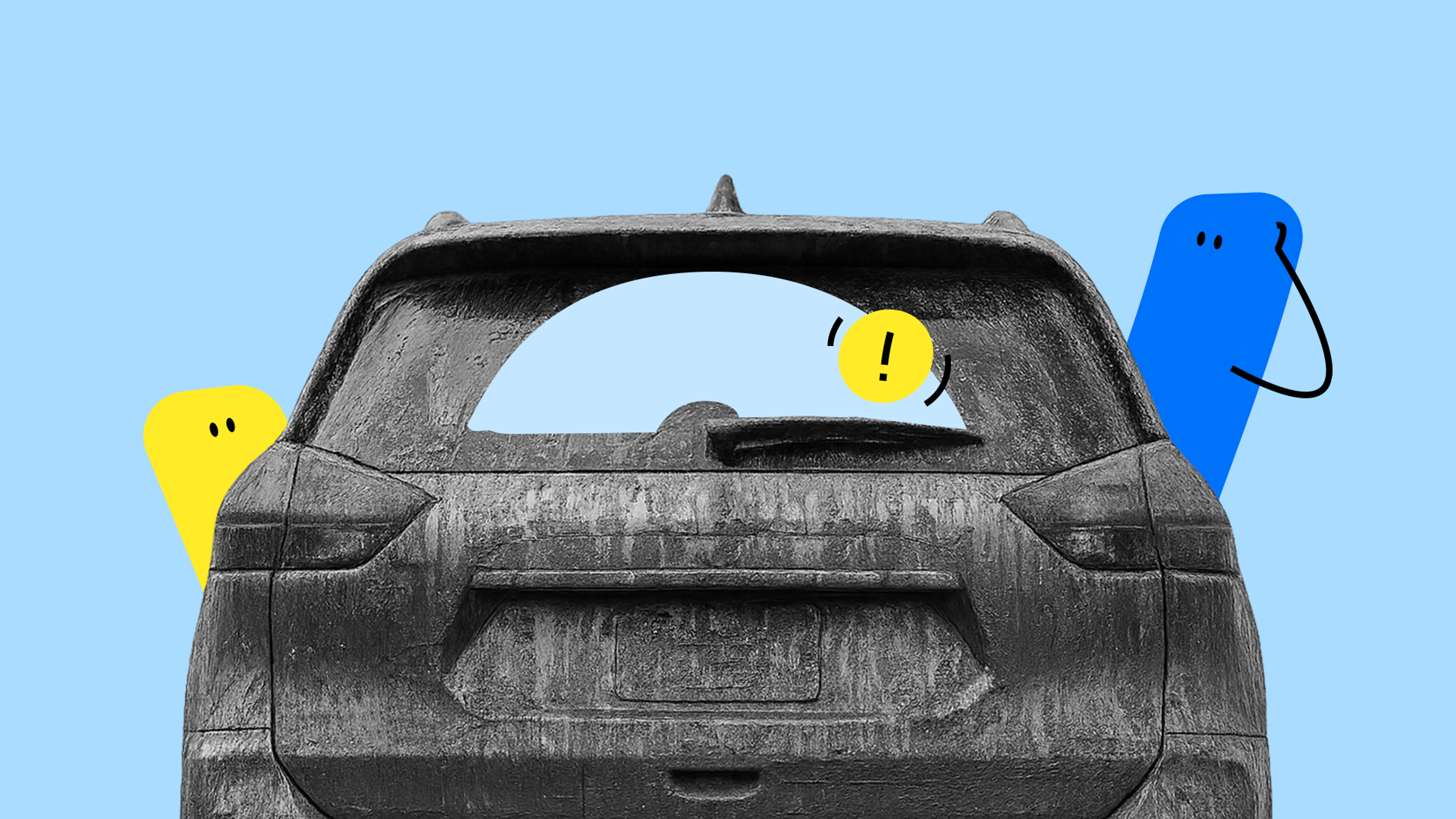
Ask any mechanic, and they’ll tell you – a car that’s gone “swimming with the fishes” is a terrible idea. But some sellers refuse to let go, determined to resurrect the undrivable and pass it off as perfectly fine.
Welcome to the Junkyard Report series, where we unearth the strangest stories hiding in carVertical’s history reports. We’ve already met a Volkswagen Caravelle with a record-breaking mileage rollback, a badly damaged Seat Ateca reborn and sold as “new” abroad, and a Mercedes-Benz AMG 63 that went on a suspicious European tour to bury its damaged past.
Today’s star is a Nissan X-Trail that, instead of heading to the scrapyard after severe water damage, somehow managed to start a new life. Let’s dive into what really happened.
A short dossier
Suspect: Nissan X-Trail
Year of production: 2017
Last known mileage: 30,887 km
Damages: 1
Damage value: EUR 40,000–50,000
Country of residence: Poland
When a car goes swimming
The Nissan X-Trail is a compact crossover SUV, beloved by families for its spacious cabin and higher driving position. Unfortunately, this one’s story took a darker turn. In 2021, it suffered catastrophic water damage in Germany.
Photos reveal the scale of the disaster – the car was buried in mud and sludge, both outside and inside. The cabin was filled with debris up to the dashboard, confirming that water fully engulfed the vehicle.
Repair costs were estimated at €40,000–€50,000, roughly the price of a brand-new X-Trail. That made restoring it financially pointless – a textbook total loss, especially since the car’s market value back then was likely half that amount.
Just when you thought this vehicle’s story was over, things took an unexpected turn.
A full makeover: from mud-covered beast to spotless beauty
By July 2021 – just weeks after the water damage – the X-Trail appeared for sale in Germany, showing 31,500 km on the odometer. Then, it vanished for 2 years… only to reappear in 2023, freshly registered in Poland with a mysteriously lower mileage of 24,184 km. Not a lot, to be honest, for a car that was manufactured 6 years ago.
No driving records during this time suggest it sat idle – probably while getting a full “makeover.” By May 2024, the once-muddy SUV was back on the market, looking showroom-fresh and even passing a technical inspection.
But when a car has been that deep underwater, looks can be deceiving.
Should you buy a water-damaged car?
Flooded cars are the worst. Even if you’re ready to deal with the electrical gremlins, there are other serious risks to consider. For example, flooded cars quickly start to rust because water seeps into areas where untreated metal is exposed – like inside wheel arches, subframes, and around seals. Repairs in those places are almost impossible.
Water often finds its way into the engine and transmission, causing even more severe problems – a few spots of rust can completely destroy an engine.
Permanent dampness inside the car is another issue people tend to underestimate. It can take weeks or even months of forced drying, with the interior dismantled, to remove all the moisture. Otherwise, the cabin will always feel damp and musty, and foggy windows will drive you crazy every day.
Tips on how to avoid flooded vehicles
1. Look for signs of moisture where it shouldn’t be
Check under the carpets, inside the spare-wheel well, under the seats, and around wiring connectors. Any lingering dampness, rust on seat rails, or water stains usually means the car has been underwater.
2. Trust your nose – smells don’t lie
A strong musty, moldy, or “overly perfumed” interior often signals that someone tried to mask water damage. A healthy car shouldn’t smell like a basement or a perfume shop.
3. Inspect electronics closely
Flood-damaged cars often suffer from electrical issues. Test all buttons, screens, windows, lights, seat functions, and sensors. Even small glitches can hint at much deeper water-related issues.
4. Always check the vehicle history
Hidden damage is easy to disguise – but history data is hard to fake. A vehicle history report can reveal damage records, photos, and even indicate whether the car was located in an area affected by a natural disaster. It also lets you verify mileage, ownership changes, technical specs, and compare all of this with what the seller claims.
Check your VIN
Avoid costly problems by checking a vehicle's history. Get a report instantly!

Article by
Karolis Bareckas
Karolis is an automotive writer and researcher at carVertical, where he works closely with the data team to deliver evidence-based insights into the used car market. For over 5 years, Karolis has been diving into the numbers to help car owners better understand the importance of vehicle history, used car buying risks, and automotive trends.