
05/09/2025
Leasing a car vs buying a car: Which option fits you better?

Renata Liubertaitė
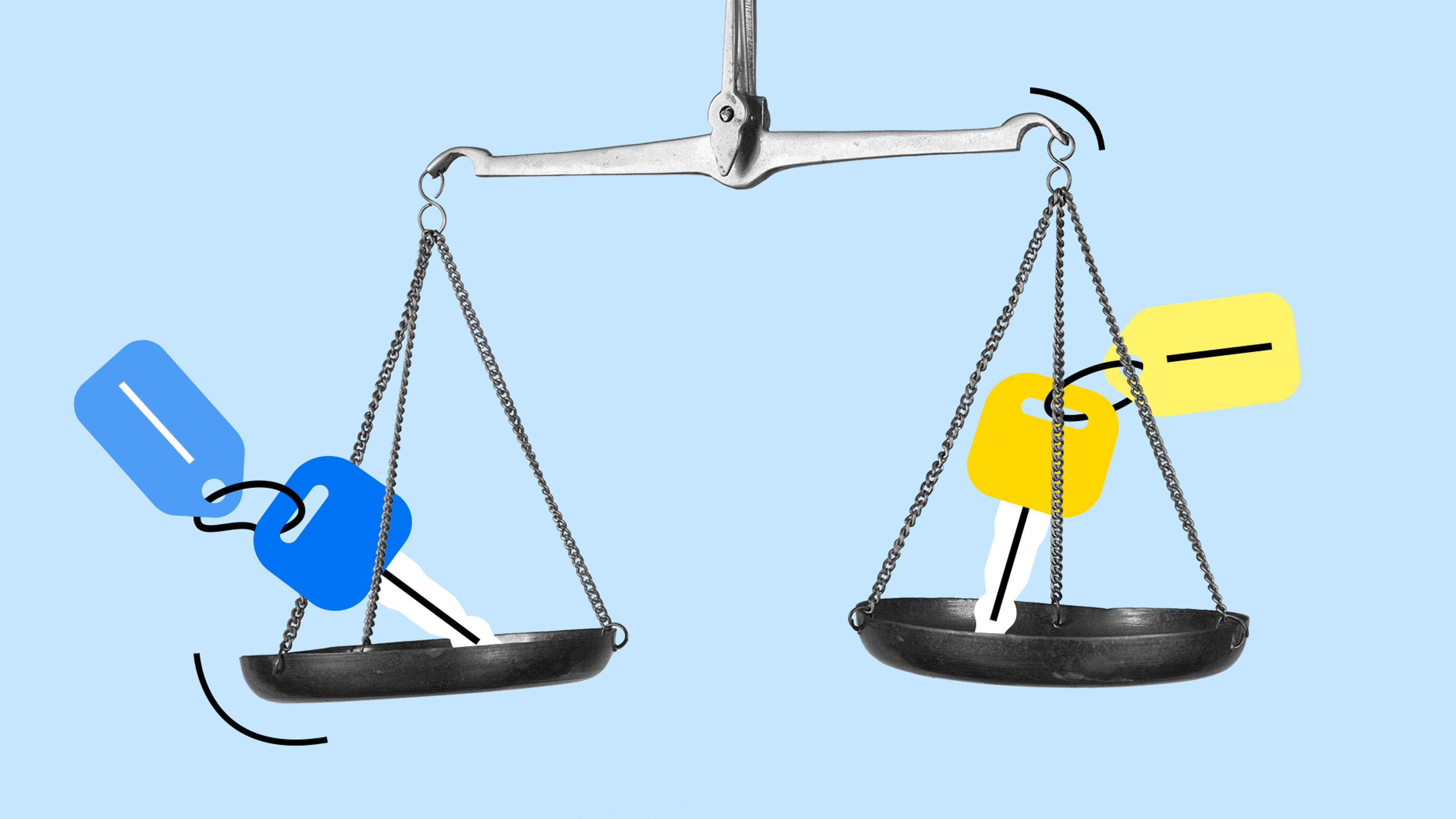
We’ve all been there. You’re sitting in traffic, maybe on the M50 on a wet Tuesday, looking at the car in front and wondering, "Is the motor I'm driving really the best one for me?" In Ireland, getting a car is a huge step, but the old debate of lease vs buying a car can feel like a maze. It’s a decision that goes way beyond just finances; it shapes your freedom, your budget, and how you get around.
So, what’s the right move? Should you opt for the breezy flexibility of leasing a new car every few years, or is the old-school pride of owning your own set of wheels the smarter play? Let's cut through the noise. This guide will lay out the good, the bad, and the ugly of leasing versus buying a car in Ireland, so you can make a choice that you won’t regret later.
Leasing a car in Ireland – how does it work?
Think of leasing a car like long-term renting. You're not buying the house, just paying to live in it for a while. You pick a brand-new car, pay a deposit, and then make fixed monthly payments for an agreed term, usually between two and five years. You never own it; you’re simply paying for the value the car loses while you use it.
In Ireland, you’ll mainly come across a few types of car lease deals:
- Personal Contract Hire (PCH): This is straight-up leasing. You pay your monthly fee, and when the contract is up, you just hand the keys back. Simple as that. There’s no option to buy the car at the end.
- Business leasing: A tax-savvy option for businesses to get cars for their staff without the headache of owning a whole fleet.
- Personal Contract Plan (PCP): Now, this one often gets lumped in with leasing, but it's a bit different. It’s more of a pathway to ownership. You have lower monthly payments, and at the end, you can either pay a final "balloon" payment to own the car, give it back, or roll into a new deal.
Most lease deals will include your motor tax and sometimes even a maintenance package. The catch? You’ll have a strict cap on how many kilometres you can drive each year. At the end of the term, the car goes back. As long as you’ve stayed within your mileage and avoided any major scrapes, you can walk away or hop into a new lease.
What to expect when buying a car?
Buying a car in Ireland is the traditional route. You pay for the vehicle upfront, either with cash or through a car loan, and it’s yours to keep. You are the registered owner and are responsible for all running costs: insurance, NCT (National Car Test), motor tax, fuel, and any repairs that pop up.
You generally have two choices:
- Brand new: Nothing beats that new-car smell and the peace of mind of a full manufacturer's warranty. The sting, however, is the price tag and the fact that its value plummets the moment you drive it off the forecourt.
- Used: Going for a used car will save you a serious amount of cash. But it's a trade-off. It comes with its own history, a few miles on the clock, and the risk of hidden problems the seller conveniently forgot to mention.
Key differences between leasing and buying a car
So, how do the two really stack up against each other? Here’s a quick, no-nonsense comparison.
Feature | Leasing a car | Buying a car |
Ownership | You're just borrowing it. | It's all yours once paid off. |
Upfront costs | Small deposit, usually 3-6 months' worth of payments. | Big hit upfront, either the full price or a large loan deposit. |
Monthly payments | Lower payments, since you're only covering depreciation. | Higher payments that cover the car's entire value. |
Repairs & maintenance | Usually covered under warranty or by the lease package. | Your problem, your cost. |
Long-term cost | The payments never stop, so it costs more over many years. | Cheaper in the long run because the payments eventually end. |
Flexibility | Swap for a new model every few years. | Sell it whenever you want, modify it, it's your call. |
Best for | People who want a new car regularly with no surprises. | People who want an asset and the freedom to drive without limits. |
Pros and cons of leasing versus buying a car
Every choice has its ups and downs. Let’s break it down simply.
Pros of leasing a car
- Lower monthly bills: Drive a better car than you might be able to afford to buy.
- No surprise costs: Fixed payments make budgeting a doddle.
- Always a new motor: You get the latest tech and safety features every few years.
- Forget about selling: Just hand the keys back and walk away.
Cons of leasing a car
- Mileage limits: Go over your allowance, and you'll face hefty fees.
- You own nothing: After years of payments, you have no asset to show for it.
- Fees for damage: You’ll pay for any scratches or dents beyond "fair wear and tear."
- Trapped in the contract: Getting out of a lease early is an expensive nightmare.
Pros of buying a car
- It’s yours: You own it. Modify it, plaster it with stickers, it’s up to you.
- Drive to the moon and back: No one is counting your kilometres.
- A smarter long-term bet: After the loan is paid, you have a car, not just receipts.
- Freedom to sell: You can sell it whenever you want and get some cash back.
Cons of buying a car
- The initial cash hit: You need a lot more money to get started.
- Depreciation: Your car is losing money every single day.
- Surprise garage bills: That weird noise from the engine? That’s your problem to fix.
- The selling hassle: Eventually, you’ll have to deal with tyre-kickers and hagglers.
Main factors to consider when making the decision
Okay, now the brass tacks. Here’s what you really need to chew on before deciding.
Total cost of ownership
When you buy, the price on the windscreen is just the start. You've got to budget for insurance, tax, NCT, services, and the inevitable day a warning light comes on. With a car lease in Ireland, some of that is bundled into one monthly payment. Ask yourself: are you a good budgeter who can handle variable costs, or do you prefer the simplicity of one fixed bill?
Mileage limits and driving habits
Lease agreements are strict on mileage. If you're trekking from Galway into Dublin for work or plan on exploring every corner of the country on weekends, you could easily blow past a 20,000 km annual limit. For high-mileage drivers, buying is almost always the less stressful, cheaper option.
Flexibility and ownership preferences
Are you someone who gets bored easily and loves having the latest gadget? Leasing lets you satisfy that itch for a new car every few years. Or, are you the type who gets attached to their car, wants to keep it for a decade, and sees it as a long-term part of your life? If that’s you, buying is the only way to go.
Environmental impact and Irish incentives
The push for green driving is real in Ireland, with SEAI grants and VRT relief trying to get us all into electric vehicles (EVs). Leasing is a low-commitment way to try out an EV and see if it fits your life. On the other hand, buying an EV, while expensive upfront, could save you a fortune on fuel and tax over its lifetime.
Vehicle history and condition risks
This is a big one, especially if you're looking at the used car market. A bargain from a private seller or a UK import might seem like a great deal, but it could be hiding a dark past. Leased cars are new and maintained by the dealer, so there are no skeletons in the closet. For anyone buying used, you have to be wary of what's lurking under the bonnet.
Check the history of any used car with carVertical before buying
A word to the wise: when you’re buying a used car in Ireland, you need to have your wits about you. Those "one careful owner" ads can hide a multitude of sins, especially with the number of cars coming in from the UK. A cheap car can quickly become a money pit if you don't do your homework.
Here are the classic traps:
- Hidden crash damage: The car might look grand, but a shoddy repair job could mean it's a death trap waiting to happen.
- "Clocked" mileage: Some dodgy sellers will roll back the odometer to make the car seem less used than it is. It's fraud, plain and simple.
- Outstanding finance: The seller might still owe money on the car. If you buy it, the finance company could show up and take it back, leaving you with nothing.
Before you even think about handing over cash, you absolutely must check the car's history, and carVertical is your best friend here. Just type in the reg and get a report that can flag things the seller would rather you didn't see.
Spending a few quid on a report can save you from a world of financial pain. It’s the smartest money you'll spend in the whole car-buying process.
Check your VIN
Avoid costly problems by checking a vehicle's history. Get a report instantly!
Other considerations for Irish drivers
- The insurance puzzle: Getting insured in Ireland can be a nightmare, especially for younger drivers. Some lease deals roll insurance into the package, which might be a handy, if not always cheaper, shortcut.
- The escape clause: Life changes. If you need to break a lease early, they'll make you pay through the nose. If you own the car, you can just stick a "For sale" sign on it.
- The new normal: With more of us working from the kitchen table, our driving habits have changed. Maybe you don't need a car for a massive daily commute anymore. Re-evaluate how much you actually drive.
- What's down the road: The future is electric. Keep an eye on government plans and potential low-emission zones in cities, as they could affect the value of petrol and diesel cars sooner than you think.
Frequently asked questions
Article by
Renata Liubertaitė
Renata is a content writer at carVertical who specialises in vehicle history reports and their practical use. With several years of experience analysing car histories and product data daily, she helps readers recognise red flags in the used car market and avoid common pitfalls when choosing their next ride.