
29/09/2025
Finding the cheapest electric car in Ireland: Our best value picks

Renata Liubertaitė
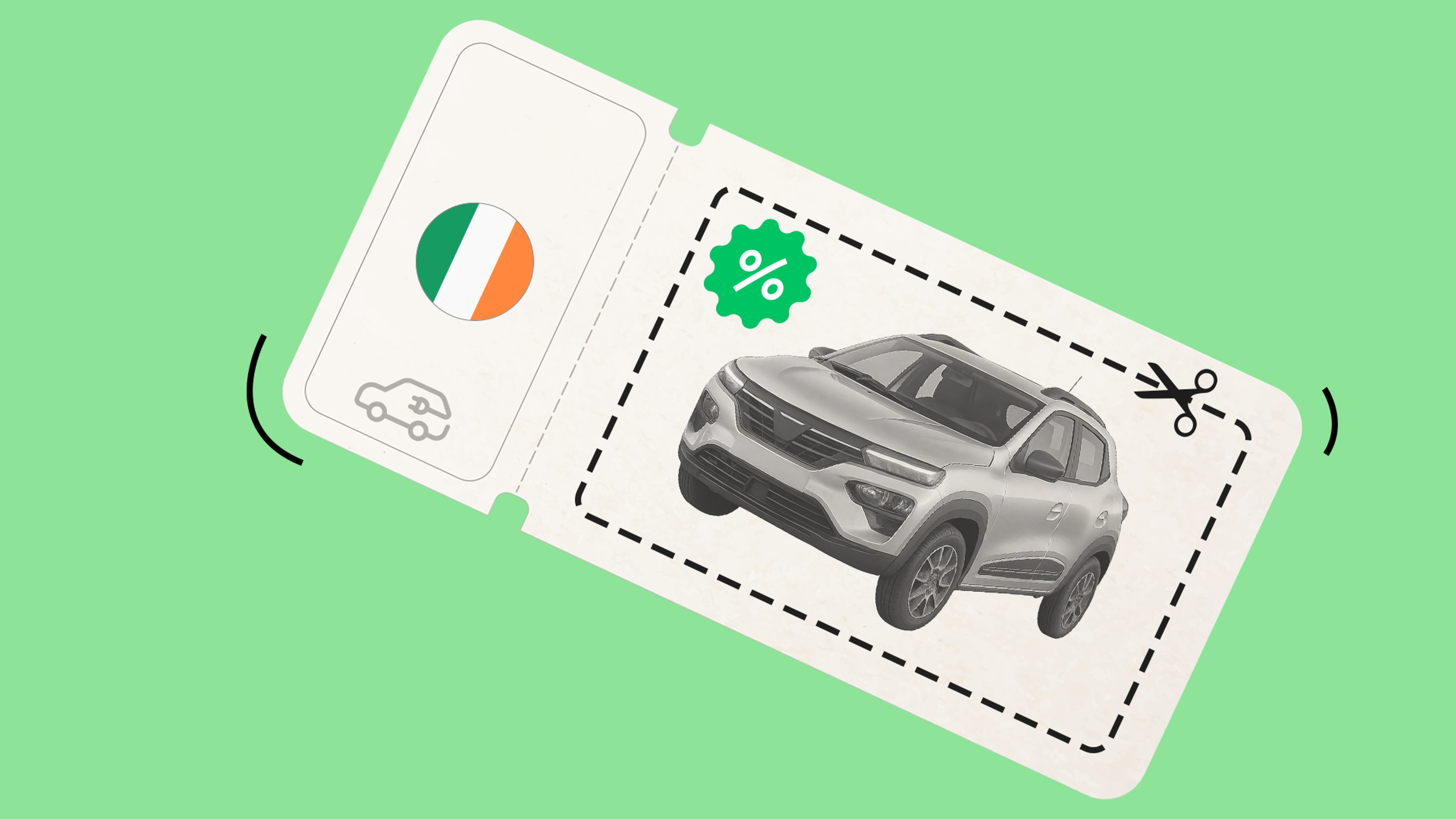
Every time you fill up the car, does the price on the pump make you wince? You're not alone. Going electric is on the minds of more Irish drivers than ever, but that initial sticker shock can be a real hurdle. You want a car that’s affordable but doesn't force you to compromise on a decent range or the basics you actually need.
So, let's get straight to the big question: "What is the cheapest electric car in Ireland?" This guide has all the details on government grants, what it really costs to run one, and our own ranked list of the best-value electric cars you can buy today.
Government incentives for switching to electric cars
The Irish government offers some incentives to make buying a new electric car easier on your wallet. These supports can shave thousands off the initial price, making EVs more competitive than ever.
The main supports for private buyers are:
- SEAI Grant: This is a big one, offered by the Sustainable Energy Authority of Ireland (SEAI) for new battery electric cars. Your dealer sorts this out for you, knocking it straight off the price. It can be worth as much as €3,500 on new cars that have a full price between €14,000 and €60,000. Just be aware it's a sliding scale, so the very cheapest models won't get the full amount.
- VRT Relief: New BEVs also benefit from relief on Vehicle Registration Tax (VRT). This can slice up to €5,000 off the price for cars with an Open Market Selling Price (OMSP) under €40,000. For cars between €40k and €50k, the relief tapers off, and it disappears completely for anything over that.
- Home Charger Grant: SEAI can also give you a grant of up to €300 to help with the bill for buying and fitting a smart home charger.
- Lower Motor Tax: All BEVs fall into the lowest motor tax band, costing just €120 per year. This is a huge saving compared to many petrol or diesel cars.
Important upcoming changes
Here’s something you need to be aware of: the VRT relief scheme has a deadline of December 31st, 2025. While many are hoping it gets extended, nothing is certain. This could add a hefty €5,000 to the price of a new EV in 2026, so the timing of your purchase is pretty important.
Electric car prices in Ireland
The market for electric car prices in Ireland has shifted massively in just a few years. A wave of new, more budget-friendly models, helped along by government support, has made owning an EV a realistic option for more people.
When you see a price advertised, it usually includes the SEAI grant and VRT relief. You should always ask the dealer for the final "on-the-road" price, though. This figure includes things like dealer delivery fees, which can easily add another €1,000-€1,500 to the bill. Don't just look at the sticker price; it's the final cost to get it on the road that counts.
Best value electric cars in Ireland – ranked from the cheapest
Here are our top picks for the best value electric car in Ireland, ranked by price. A quick note on these prices: they show the starting cost with the main government grants already knocked off. Your final bill will likely be different once you choose your trim level, add any extras, and factor in the dealer's charges.
1. Dacia Spring
Price from: €15,990
Range: up to 305 km
Right now, the Dacia Spring holds the title of the cheapest electric car in Ireland. It’s a simple and sensible city car that’s ideal as a runaround for school runs or popping to the shops. Its small size and basic tech make it a very straightforward first step into owning an EV.
2. Hyundai Inster
Price from: €19,595
Range: up to 360 km
For a relatively small jump in price from the Dacia, the Hyundai Inster offers a lot more car for your money. It boasts a significantly better range, a more modern interior, and more space, making it a contender for the best value electric car Ireland has to offer for those needing a bit more versatility.
3. Citroën ë-C3
Price from: €23,400
Range: up to 320 km
The Citroën ë-C3 plays to the brand's strengths, focusing squarely on comfort. It's built with clever suspension and comfy seats to smooth out your daily drive. Combine that with a very usable range and the handiness of a supermini, and you've got a brilliant option for a small family.
4. Fiat 500e
Price from: €24,995
Range: up to 320 km
The Fiat 500e is all about style, packing that timeless Italian design into a zippy electric package. It’s a joy to pilot through busy city traffic. Okay, the boot is tiny, but what it lacks in luggage space, it makes up for in pure personality – a huge hit with drivers who want to stand out.
5. BYD Dolphin
Price from: €25,570
Range: up to 340 km
The BYD Dolphin comes with a level of tech you'd expect in a much pricier car, right down to its cool rotating dashboard screen. It strikes a great balance between a decent range, everyday usability, and a long list of standard kit, making it a very smart buy.
6. Renault 5 E-Tech
Price from: €25,995
Range: up to 410 km (EV 52)
Drawing inspiration from the iconic original, the Renault 5 E-Tech is designed to be fun. It's all about sharp retro looks and putting a smile on your face when you're driving. It feels agile on the road and offers a seriously impressive range, especially if you opt for the larger battery model. It's set to be one of the most stylish and desirable small electric cars Ireland will see.
7. MG4 EV
Price from: €26,995
Range: up to 350 km
The MG4 EV really shook up the market by giving drivers the kind of space and range you'd expect from a much pricier family car. It looks sharp, and its rear-wheel-drive setup makes it surprisingly fun to drive. It arguably represents the best pound-for-pound value in the entire EV market right now.
8. Opel Corsa‑e
Price from: €27,338
Range: up to 337 km
As the electric version of a car we all know and love, the Opel Corsa-e makes the move to electric feel easy and familiar. It’s comfortable, has a perfectly usable real-world range, and the cabin is easy to get to grips with. It's a solid, sensible pick if this is your first EV.
9. Peugeot e-208
Price from: €28,305
Range: up to 410 km
The Peugeot e-208 uses the same underpinnings as the Corsa-e but wraps it in a much more eye-catching design with its futuristic i-Cockpit dashboard. The newest versions have an excellent range, meaning this slick supermini is just as happy on a long run as it is nipping around town.
Cost of owning an electric car
The purchase price is just the beginning. The real financial magic of an EV happens over its lifetime, where the total cost of ownership is often far lower than for a petrol or diesel car.
Fuel vs. electricity costs
The savings on "fuel" are where you really see the difference. To put it in perspective, driving 100km in a standard petrol car will cost you around €12.04 at the pump. That same journey in an EV, charged up overnight on a cheap electricity rate, costs about €1.20. For the average person, that simple maths can add up to savings of nearly €2,000 a year.
Maintenance costs
An electric motor is much simpler than a combustion engine. There are far fewer things to go wrong. You can forget about oil changes, failing exhaust systems, or replacing a worn-out clutch. You still have tyres and brakes to maintain, but your annual service should be a simpler, cheaper affair.
Insurance
Insurers sometimes charge a bit more for EVs, mostly because the cars themselves cost more, and any repairs, particularly to the battery, can be specialised. However, that price gap is getting smaller all the time, and any extra you pay is usually cancelled out many times over by what you save on fuel and tax.
Depreciation
The single biggest cost in owning a new car isn't fuel or tax; it's depreciation – how much value it loses the moment you drive it off the forecourt. The used EV market is now well-established, and values for most models are behaving a lot like their petrol and diesel cousins, losing about 45-55% of their price tag after three years. High demand for the best EVs Ireland has means the most popular models tend to fare quite well.
Where to charge EVs in Ireland?
Worries about finding a charger are becoming a thing of the past as Ireland's network gets bigger and better every year. Your main choices are:
- Home charging: The cheapest and most convenient option. Installing a home wallbox allows you to wake up with a "full tank" every morning.
- Public charging: Ireland's public network now includes over 2,500 charge points. You'll find them at service stations, supermarkets, and car parks, run by providers like ESB ecars, EasyGo, and Ionity.
- Workplace charging: Many companies are now putting chargers in their car parks for staff, which is a fantastic perk if your workplace offers it.
Even though the network is constantly expanding, you'll still find better charger coverage in cities compared to some rural spots. If you're planning a proper road trip, it's still worth taking five minutes to map out your charging stops.
Is buying a used electric car worth it?
It can be a brilliant idea. A used EV lets the first owner absorb the steepest drop in value, which means you can get behind the wheel for a lot less money.
You definitely need to do your homework, though. The battery is the most expensive part of the car, so you'll want a clear picture of its health and how much life it has left. Always check what's left on the manufacturer's warranty and remember that an older car might just need a bit more looking after.
Check any used EV with carVertical before buying
Don't even consider buying a used EV without getting a full history check first. It's a tiny upfront cost that could save you from a world of financial pain.
A carVertical report digs up the details a seller might conveniently forget to mention, like:
- Damage history: The battery and electronics in an EV are complex. A past crash, no matter how well it was fixed, can cause very expensive gremlins to appear later.
- Mileage records: Mileage clocking is a real risk. For an EV, knowing the true mileage is vital because it gives you a good idea of how much work the battery has done. A report can flag any suspicious rollbacks.
Beyond the report itself, keep in mind that some EVs are known to have recurring issues with components like inverters, transmissions, or charging systems. Reviewing past repair records can help you spot patterns that might turn into costly headaches down the road.
Check your VIN
Avoid costly problems by checking a vehicle's history. Get a report instantly!
What should you take into consideration before buying an EV?
Thinking seriously about making the jump? Run through this quick checklist first:
- Battery health and warranty: On a new car, find out how long the battery is guaranteed for (it's often 8 years). If you're looking at a used model, paying for a professional battery health check is money well spent.
- Driving range vs. daily needs: Be honest about your typical journeys. Most new EVs can handle the average Irish commute with ease, but if you regularly travel across the country, look for a model with a bigger battery.
- Charging options: Can you install a charger at home? This is the key to cheap and convenient EV ownership. If you can't, look at where your nearest public chargers are.
- Resale value: It's worth thinking about how much the car might be worth in a few years. Cars from popular brands tend to hold their value better.
- Service centres: Make sure there's a garage that knows how to service your chosen brand somewhere near you.
Irish EV market: statistics and forecast
It's clear the shift to electric in Ireland is gathering serious pace. We're on track to have over 125,000 EVs on the road by the end of 2025, and they now represent about 17% of all new cars sold.
More choice, better charging, and people catching on to the huge running cost savings are all fuelling this shift. With the government pushing for nearly a million electric cars by 2030, this is one trend that isn't slowing down.
Frequently asked questions
Article by
Renata Liubertaitė
Renata is a content writer at carVertical who specialises in vehicle history reports and their practical use. With several years of experience analysing car histories and product data daily, she helps readers recognise red flags in the used car market and avoid common pitfalls when choosing their next ride.